
Welcome to a very different blog post from me. I mentioned last year that I wanted to add different posts to my blog this year and incorporate posts that are somewhat to do with my degree at university. Considering that a General Election is due to happen next year, I thought I would share a guide on them.
Please keep in mind this is my first post like this so if it doesn’t flow well, I do apologise. I have planned this out as best as I can but it isn’t exactly my forte. Without further ado, let’s get to it.
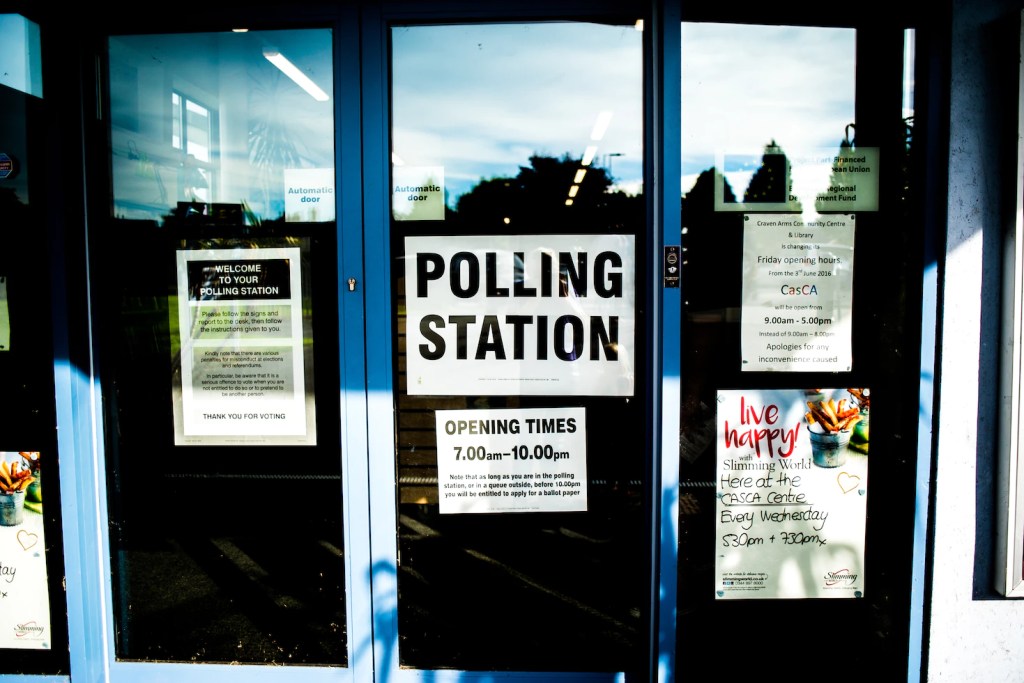
What is a General Election?
A general election is a vote in which all or most members of a political body (in our case, the House of Commons), are chosen. To be more specific in the UK, it determines who your next MP is going to be, and which party is going to be the government.
In order to help with this guide to General Elections, it is important to explain the political system in the UK and how it operates.
The Political System of the UK
In the United Kingdom, our political system can be described as a constitutional monarchy and a parliamentary democracy. You may be sat there thinking, what the hell does that mean? Essentially, even though the monarch (King Charles) is the Head of State, they are not the head of government. The head of government in the UK is the Prime Minister, currently Rishi Sunak. The Prime Minister makes the decisions on behalf of the monarchy.
But who gets to decide who is the Prime Minister?
The Prime Minister sits in the House of Commons along with 649 members of parliament, making it 650 members of parliament in total. The House of Commons is the democratically elected chamber in the UK, with the other chamber being the House of Lords.
What does this have to be with the General Election? We’ve already mentioned that 650 MPs (members of parliament) sit in the House of Commons and they are the people we vote for. Each MP represents a constituency, which is an area of the United Kingdom. For example, Rishi Sunak (the Prime Minister) is an MP for Richmond (Yorks) in North Yorkshire. So when you go down to the polling station to vote or you send your ballot paper in the post, you are voting for the person you want to represent you in the House of Commons.
Each political party within the UK will allocate someone to stand for the General Election in each constituency. Examples of political parties include Labour and the Conservatives to name a few. Sometimes, parties may choose not to allocate someone to stand for a constituency for a variety of reasons but that isn’t really relevant.
The government in the UK is decided by which party has the overall majority in the House of Commons, which is 325. Therefore, the Prime Minister is the leader of the party with the majority. The leader of the party is decided by each parties’ own voting system for a leader. This varies from party to party.
You may be sat there wondering how your vote counts. The voting system in this country is called “first past the post.” This means that the person with the most amount of votes in each constituency is elected as an MP. This means that there are instances where a party has done really well in the overall population vote but because of the system in place, it means the number of seats don’t represent that. Some people find “first past the post” to be an unfair voting system but this is down to a matter of opinion.
Why is it important to vote?
Voting in a general election means there is a chance for your voice to be heard. You’re not voting for who you want as your next Prime Minister (even though that may impact who you vote for), you’re voting for the person and party you want to represent you in the House of Commons.
I really hope this post is helpful for you. Like I mentioned before, I’ve never done anything like this before. Thank you very much for reading and I will see you soon for another blog post.
Beth

 Beth Olivia
One thought on “A Guide to General Elections in the United Kingdom”